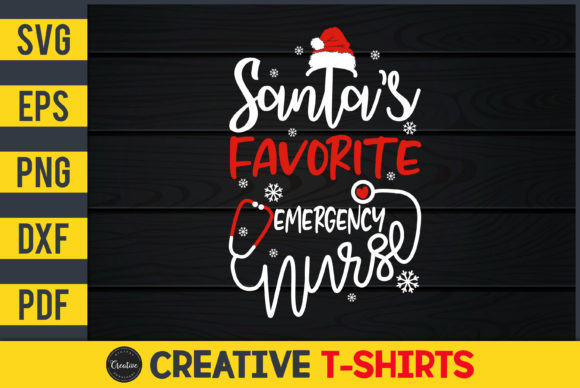
Santa’s Favorite CNA Nurse: A Designer’s Review
As an embroidery designer who has spent countless hours digitizing, stitching, and troubleshooting designs for clients, I approach every new machine embroidery design with a mix of curiosity and skepticism. We have all seen the holiday rush coming from miles away. The demand for personalized, themed apparel spikes in November, and healthcare workers are often at the top of the list for custom gifts. When I first loaded Santa s Favorite CNA Nurse into my software to evaluate it for a potential client project, I was looking for more than just cute aesthetics. I needed to know if this digital embroidery file would hold up under the needle, translate well to various fabrics, and ultimately deliver value to the end customer.
First Impressions and Visual Personality
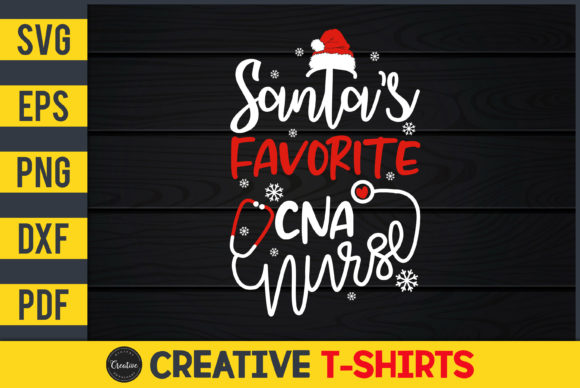
The initial visual impact of Santa s Favorite CNA Nurse is warm and inviting. It strikes a balance between professional pride and holiday whimsy, which is a difficult tone to hit without leaning too hard into cliché. The layout feels balanced, with a clear hierarchy that draws the eye to the central theme. For those of us working in Print Templates and Graphics, we understand that a design must look good on screen, but embroidery is a different beast entirely. The shapes in this design suggest a thoughtful approach to stitch placement. There is a sense of flow that implies the digitizer considered how thread builds up on fabric, rather than just tracing lines.
This design naturally belongs to projects that celebrate caregiving during the festive season. It is not overly complex, which is a strength. Overly detailed holiday designs often turn into a muddy mess of thread when stitched out at smaller sizes. Here, the simplicity suggests clarity. It feels right at home on a cozy sweatshirt or a sturdy tote bag, items that need to convey a message quickly and clearly from a distance.
Real-World Application: The Holiday Gift Scenario
To truly test the viability of any embroidery project, I imagine it in a real-life scenario. Let’s say you are a small business owner or an Etsy seller preparing a batch of custom gifts for local nurses. You decide to use Santa s Favorite CNA Nurse on a high-quality, heather grey crewneck sweatshirt. This is a classic custom apparel choice. The texture of the fleece provides a forgiving background for the stitches, allowing the design to pop without sinking into the fabric.
In this context, the design performs well. The thematic elements resonate with the recipient, acknowledging their hard work while adding a touch of seasonal joy. It transforms a standard piece of clothing into a personalized gift that feels thoughtful and specific. If you were creating a handmade product line for a craft fair, this design could easily anchor a collection of holiday-themed medical apparel. It appeals to the buyer’s desire to show appreciation, making it a strong candidate for high-engagement listings.
Technical Performance and Stitching Clarity
When evaluating an applique design or a standard filled design, stitch density is critical. While the exact stitch count is not provided in the basic description, the visual complexity suggests a moderate density. This is generally good news for production speed and fabric stability. However, as a reviewer, I must advise you to check the specific file details before committing to a large run. If the design relies heavily on satin stitch borders, ensure they are not too wide for smaller hoop sizes, as this can cause snagging.
The design includes text, which is always the trickiest part of embroidery. Tiny lettering can become illegible if the stitch density is too high or if the thread color lacks contrast against the fabric. In my mental simulation of stitching this out, I would recommend testing it on a scrap piece of the actual fabric you intend to use. Pay close attention to the smaller elements. If the design uses fill stitch for larger areas, ensure there is adequate underlay to prevent the fabric from showing through, especially on darker materials.
Navigating Fabric and Hoop Constraints
Not every surface is created equal. While Santa s Favorite CNA Nurse looks promising on a sweatshirt, you must exercise caution with other materials. For instance, if you are planning to embroider this on a tote bag design made of canvas, the thick fabric will require a stronger needle and potentially a different stabilizer approach. On stretchy fabrics like performance tees, the design might pucker if not properly stabilized. Always use a cut-away stabilizer for garments that will be washed frequently, as this provides long-term support for the stitches.
Curved surfaces, such as caps or hats, present another challenge. The design’s width needs to fit within the curved hoop area without distorting. If the design is too wide, the edges may lift or look warped. Similarly, avoid using this on very thin or delicate fabrics unless you are experienced with lightweight stabilization techniques. The weight of the thread can pull on delicate knits, ruining the drape of the garment.
Commercial Viability and Brand Consistency
For commercial embroidery professionals and craft business owners, consistency is key. This design offers a clean, professional look that can enhance brand perception. When customers receive a finished product that looks crisp and well-executed, their trust in your brand grows. The design’s versatility allows it to fit into various product lines, from embroidered patch creations to full-front chest prints on jackets.
However, before selling any items featuring Santa s Favorite CNA Nurse, you must verify the licensing terms. The product description mentions it is a digital file for cutting machines like Cricut and Silhouette, including SVG, PNG, PDF, DXF, and EPS formats. It is crucial to confirm whether the license permits commercial use of the embroidered output. Many digital files are sold for personal use only, or require an extended license for commercial sales. Do not assume; always read the fine print to protect your business.
Practical Designer Notes for Best Results
To ensure the best outcome with this design, follow these practical steps:
- Test on Scrap Fabric: Never stitch a new design directly on the final garment. Use a similar fabric scrap to check tension and registration.
- Check Thread Contrast: Ensure your thread colors stand out against the fabric. A dark thread on a dark shirt will disappear.
- Review Stabilizer Choice: Match the stabilizer to the fabric weight. Heavier fabrics may need less support, while light knits need robust stabilization.
- Inspect Small Details: Zoom in on the design file to check for tiny elements that might not stitch out cleanly.
- Mockup in Black and White: This helps you see the value and contrast of the design without the distraction of color.
In conclusion, Santa s Favorite CNA Nurse is a solid contender for your holiday embroidery lineup. It combines emotional appeal with a manageable technical profile. By respecting the limitations of your materials and verifying your licensing rights, you can create beautiful, profitable items that resonate with customers. Whether you are making a single baby embroidery item for a friend or stocking your small shop product inventory, this design offers the charm and professionalism needed to succeed in the competitive handmade market.